Book a consultation with Dr Antony Nguyen to discuss your condition and options
Hip replacement surgery is an effective treatment for patients experiencing persistent hip pain caused by advanced arthritis or significant joint damage. When non-surgical treatments are no longer providing lasting relief, replacing the damaged joint surfaces can reduce pain, improve mobility, and help you return to an active and independent lifestyle.
Dr Antony Mark Nguyen provides personalised, evidence-based care, taking the time to understand your symptoms, medical history, lifestyle, and treatment goals. Every patient is carefully assessed to determine whether hip replacement is appropriate and which surgical approach will provide the best possible outcome.
Hip arthritis occurs when the smooth cartilage that cushions the hip joint gradually wears away or becomes damaged. The most common form is osteoarthritis, which develops over time through natural wear and tear.
As the cartilage deteriorates, the bones begin to rub against each other, causing pain, stiffness, reduced flexibility, and difficulty performing everyday activities such as walking, climbing stairs, or getting in and out of a chair.
Although arthritis can often be seen on X-rays, treatment is based on your symptoms rather than imaging alone. Surgery is only considered when pain and reduced function begin to significantly affect your quality of life.
Hip replacement is a surgical procedure that replaces the damaged ball-and-socket joint with carefully designed artificial components. The worn surfaces are removed and replaced with durable implants that are intended to restore smooth movement, relieve pain, and improve joint function.
Modern hip replacements are manufactured from high-quality medical materials including titanium alloys, ceramic, cobalt chrome, stainless steel, and highly durable polyethylene. These implants are designed to provide long-term reliability while closely replicating the natural movement of the hip.
Having arthritis does not automatically mean you require surgery. Hip replacement is recommended only after careful assessment and when conservative treatments are no longer effective.
You may benefit from hip replacement if:
Dr Nguyen will discuss your symptoms, imaging, treatment options, and expected outcomes to help you make an informed decision about surgery.
As with any surgical procedure, hip replacement carries certain risks, although serious complications are uncommon.
Potential risks include:
Every effort is made before, during, and after surgery to minimise these risks, and they will be discussed with you in detail during your consultation.
Many patients can successfully manage hip arthritis without surgery, particularly during its earlier stages.
Non-surgical treatment options may include:
While these treatments cannot reverse arthritis, they may help relieve symptoms and postpone the need for surgery.
Hip replacement can be performed using different surgical approaches, including anterior, posterior, and anterolateral techniques. Each approach provides access to the hip joint in a different way, and no single method is suitable for every patient.
The most appropriate surgical approach depends on factors such as your anatomy, medical history, activity level, and the condition of your hip.
Dr Antony Mark Nguyen will recommend the technique best suited to your individual needs and explain the advantages of the selected approach during your consultation.
Once the decision has been made to proceed with surgery, your operation will be scheduled and you will receive detailed instructions to help you prepare.
Preparation may include:
Our team will guide you through every stage of the preparation process to ensure you feel informed and confident before your procedure.
You will be admitted to hospital on the day of your operation and reviewed by both Dr Nguyen and your anaesthetist before surgery.
Following your procedure, you will spend time in the recovery unit before returning to your hospital room, where your pain management, early mobilisation, and rehabilitation will begin under the supervision of your healthcare team.
Recovery begins shortly after surgery. Physiotherapy usually starts within the first day to encourage safe movement, improve strength, and restore mobility.
The length of your hospital stay depends on your progress, but most patients return home once they are walking safely, comfortable with pain management, and medically ready for discharge.
Recovery continues over the following weeks with guided rehabilitation, home exercises, and scheduled follow-up appointments to monitor healing and ensure the best possible outcome.
If you would like to learn more about hip replacement surgery or discuss your treatment options, Dr Antony Mark Nguyen will be happy to provide personalised advice during your consultation.
Please contact our practice to arrange an appointment or speak with our team for further information.
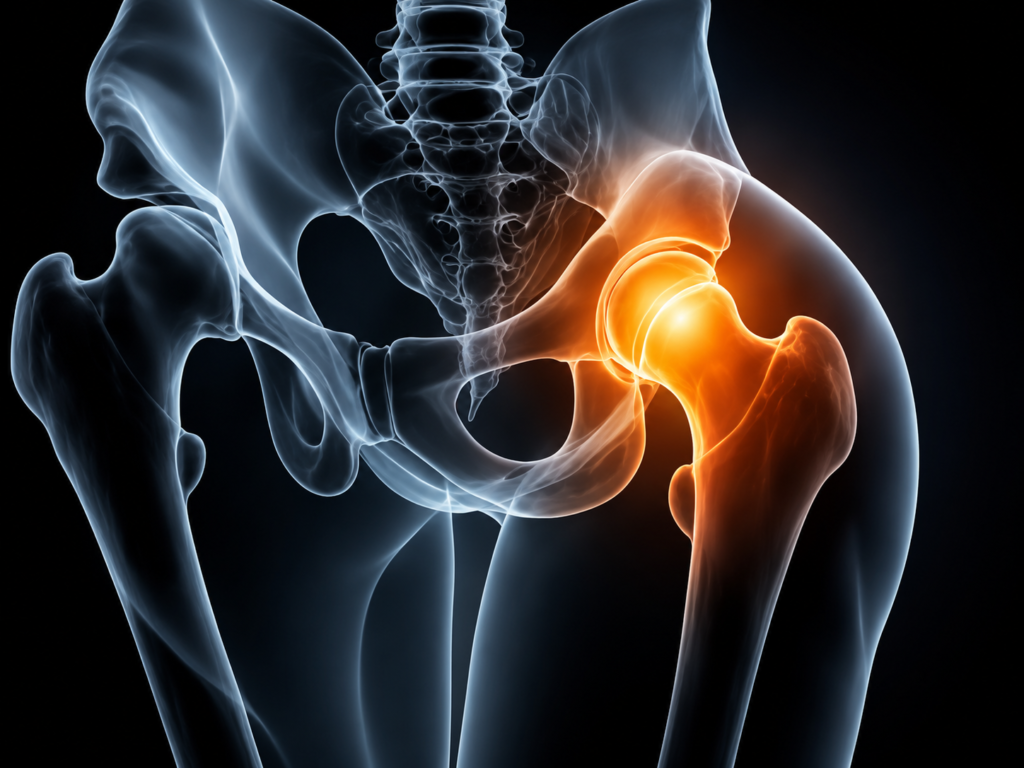
Comprehensive care for hip conditions including arthritis, impingement, fractures and replacements.

Treatment for knee pain, arthritis, ligament injuries and complex knee reconstruction.

Management of shoulder pain, rotator cuff tears, instability and sports injuries.
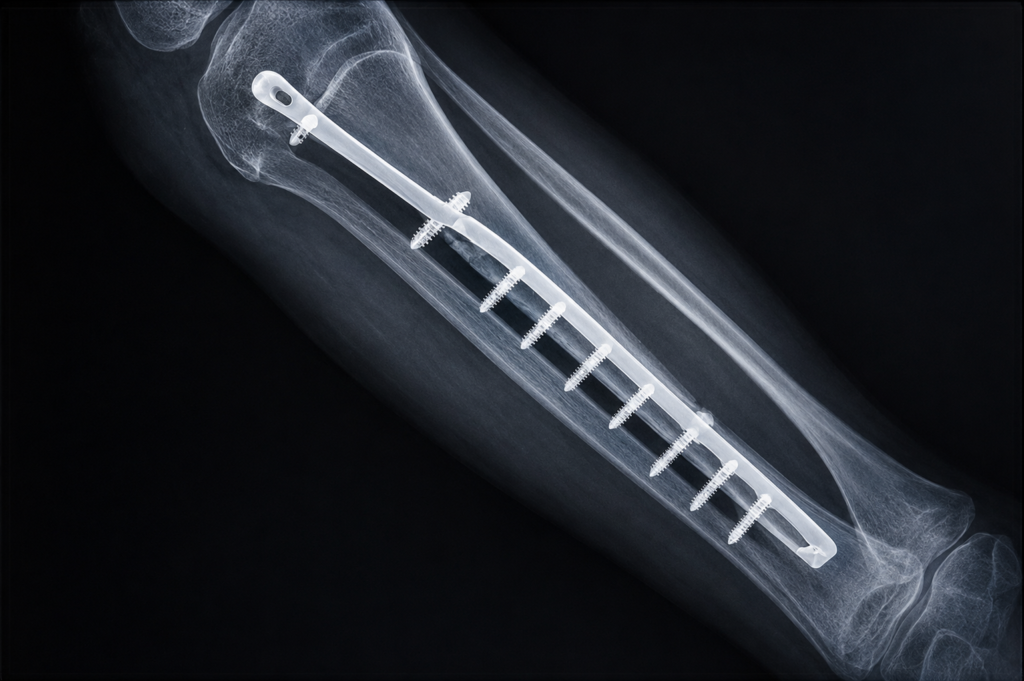
Expert care for fractures and acute injuries to help you recover and regain function.