Book a consultation with Dr Antony Nguyen to discuss your condition and options
Knee replacement surgery is a highly effective treatment for people experiencing ongoing knee pain caused by advanced arthritis or significant joint damage. When conservative treatments are no longer providing relief, replacing the damaged joint surfaces can reduce pain, improve movement, and help you return to everyday activities with greater confidence.
Every patient is different, which is why Dr Antony Mark Nguyen takes a personalised approach to assessment and treatment. Your symptoms, lifestyle, medical history, and imaging results are carefully evaluated to determine whether surgery is the most appropriate option and, if so, which procedure will provide the best outcome.
Arthritis is a condition that causes inflammation and gradual deterioration of the knee joint. The most common type is osteoarthritis, where the protective cartilage wears away over time. This can lead to pain, stiffness, swelling, reduced mobility, and difficulty performing everyday activities such as walking, climbing stairs, or standing for long periods.
Not everyone with arthritis requires surgery. Treatment decisions are based on the severity of your symptoms and how much they affect your quality of life rather than X-ray findings alone.
Treatment usually begins with non-surgical measures aimed at reducing pain and improving function. Depending on your condition, these may include physiotherapy, activity modification, weight management, medications, joint injections, or supportive braces.
If these treatments no longer provide adequate relief and your symptoms continue to interfere with daily life, knee replacement surgery may be recommended.
The knee consists of three compartments, and arthritis may affect one or several of these areas.
If the damage is limited to a single compartment, a partial knee replacement may be suitable. When arthritis involves multiple compartments or the entire joint, a total knee replacement is generally the preferred treatment.
Dr Nguyen will discuss the advantages and limitations of each option and recommend the most appropriate procedure based on your individual condition.
During knee replacement surgery, the worn or damaged surfaces of the knee joint are carefully removed and replaced with durable artificial components designed to restore smooth movement and relieve pain.
Modern implants are manufactured from high-quality medical materials such as titanium alloys, cobalt chrome, and highly durable polyethylene. These components are designed to provide long-lasting performance while closely replicating the natural movement of the knee.
Choosing to undergo knee replacement surgery is an important decision that should be made after careful discussion with your surgeon.
Surgery is generally considered when:
Dr Nguyen will help you understand the expected benefits, potential risks, and whether surgery is the right option for your individual circumstances.
Like all surgical procedures, knee replacement carries some risks, although serious complications are uncommon.
Potential risks include:
Every precaution is taken before, during, and after surgery to minimise these risks, and they will be discussed with you in detail during your consultation.
In many cases, surgery is not immediately necessary. Depending on your symptoms and the stage of arthritis, several treatments may help relieve pain and improve function before surgery becomes appropriate.
These may include:
These treatments cannot reverse arthritis but may help delay the need for joint replacement.
Modern knee replacement techniques continue to improve surgical precision and patient outcomes. Depending on your individual needs, advanced technologies such as computer-assisted navigation or robotic-assisted surgery may be considered to assist with implant positioning and surgical planning.
Dr Nguyen will explain whether these technologies are suitable for your procedure.
Once surgery has been planned, you will receive detailed instructions to help you prepare.
This may include:
Our team will guide you through every step before your operation.
You will be admitted to hospital on the day of your procedure and reviewed by both Dr Nguyen and your anaesthetist before surgery.
Following the operation, you will spend a short period in the recovery unit before returning to your hospital room, where your pain management and rehabilitation will begin.
Recovery begins soon after surgery. Physiotherapy usually starts within the first day to encourage safe movement and restore strength.
Your hospital stay will vary depending on your progress, but most patients return home once they are walking safely, pain is well controlled, and discharge goals have been achieved.
Recovery continues over the following weeks and months through guided rehabilitation, home exercises, and regular follow-up appointments to monitor healing and progress.
If you have questions about knee replacement surgery or would like to discuss your treatment options, Dr Antony Mark Nguyen will be happy to provide personalised advice during your consultation.
Please contact our practice to arrange an appointment or speak with our team for further information.
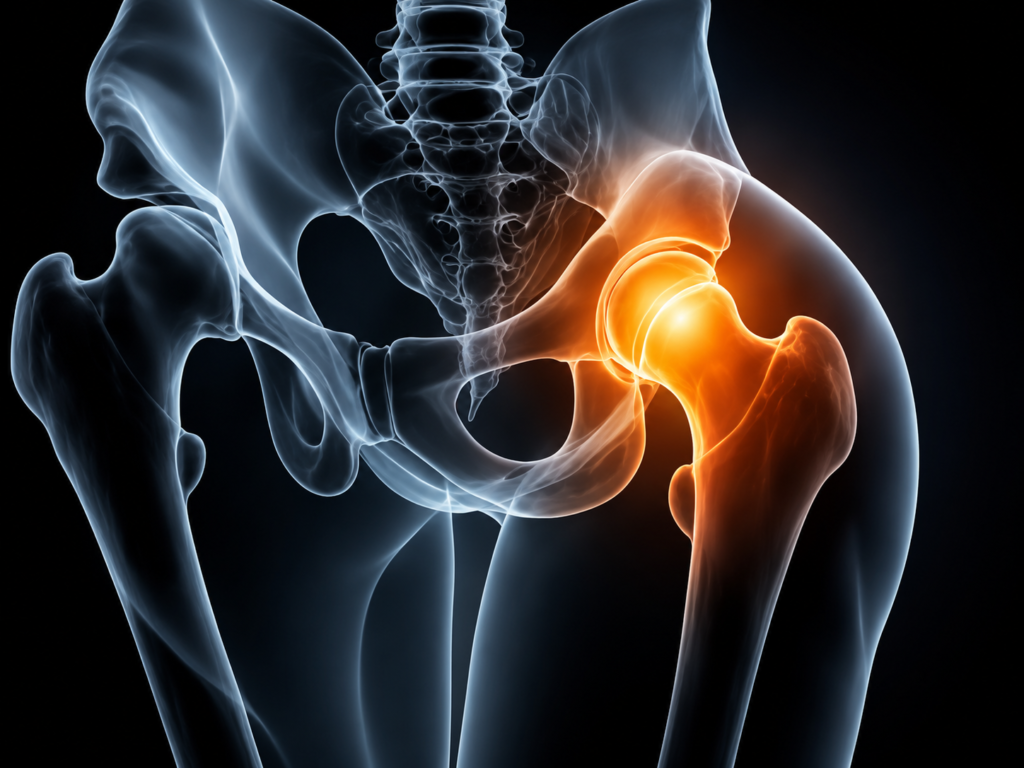
Comprehensive care for hip conditions including arthritis, impingement, fractures and replacements.

Treatment for knee pain, arthritis, ligament injuries and complex knee reconstruction.

Management of shoulder pain, rotator cuff tears, instability and sports injuries.
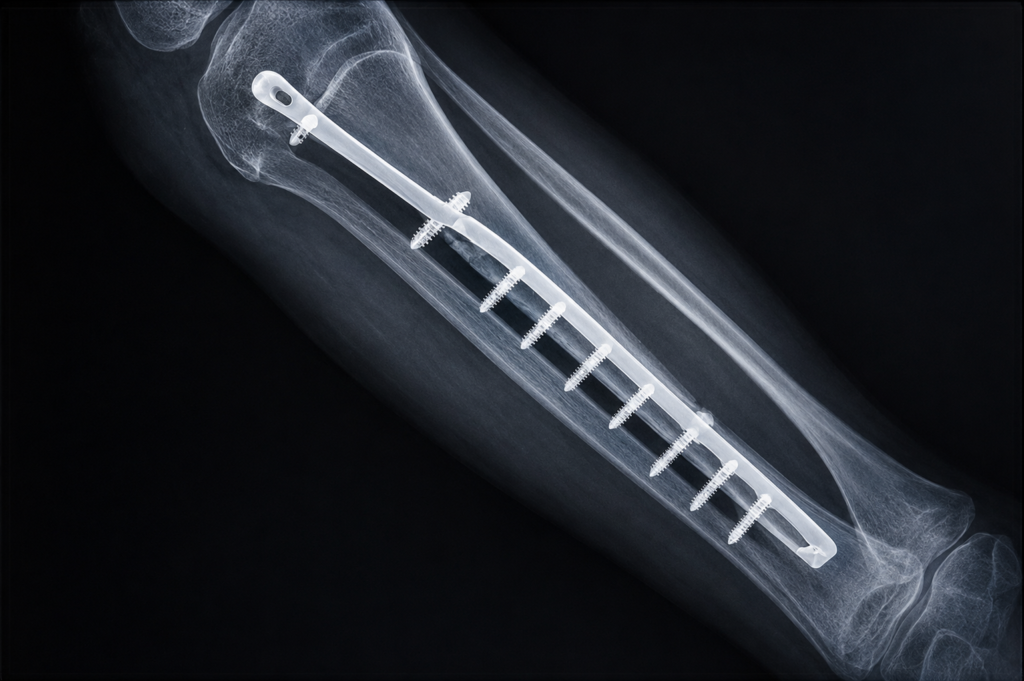
Expert care for fractures and acute injuries to help you recover and regain function.