Book a consultation with Dr Antony Nguyen to discuss your condition and options
Shoulder pain can significantly affect your quality of life, making everyday activities such as lifting, reaching, dressing, or sleeping uncomfortable. When non-surgical treatments are no longer effective, shoulder surgery may provide lasting pain relief, restore movement, and help you return to the activities you enjoy.
Dr Antony Mark Nguyen offers personalised assessment and treatment for a wide range of shoulder conditions. Every patient receives an individualised treatment plan based on their symptoms, lifestyle, activity level, and long-term goals. Whether your condition requires arthroscopic (keyhole) surgery, tendon repair, fracture management, or shoulder replacement, treatment is carefully tailored to achieve the best possible outcome.
Shoulder pain can result from many different conditions affecting the bones, cartilage, tendons, ligaments, or surrounding soft tissues.
Common conditions include:
A thorough clinical assessment, together with imaging such as X-rays, ultrasound, or MRI, helps determine the underlying cause of your symptoms and the most appropriate treatment.
Many shoulder conditions can be successfully managed without surgery. Treatment usually begins with conservative options such as physiotherapy, medications, activity modification, or guided injections.
Surgery may be recommended when:
Dr Nguyen will explain all available treatment options and help you decide whether surgery is appropriate for your condition.
The most suitable procedure depends on the specific diagnosis and severity of the condition.
Common procedures include:
Each procedure is designed to reduce pain, restore shoulder function, and improve long-term mobility while considering your individual needs and activity level.
Shoulder replacement is a surgical procedure that replaces damaged portions of the shoulder joint with artificial components. It is commonly recommended for patients with advanced arthritis or severe joint damage that cannot be effectively managed with conservative treatment.
Modern shoulder implants are manufactured from high-quality medical materials including titanium alloys, cobalt chrome, and highly durable polyethylene. These components are designed to restore smooth joint movement while providing long-lasting durability.
Not every shoulder condition requires surgery. Many patients experience significant improvement with non-operative treatment.
Surgery is generally considered when:
Dr Nguyen will carefully discuss the potential benefits, expected recovery, and whether surgery is the most appropriate option for your circumstances.
As with any surgical procedure, shoulder surgery carries certain risks, although serious complications are uncommon.
Potential risks include:
Every precaution is taken throughout your treatment to minimise these risks, and they will be discussed with you before surgery.
In many cases, surgery can be delayed or avoided through appropriate non-surgical management.
Treatment options may include:
These treatments aim to reduce pain, improve function, and help maintain shoulder mobility while delaying or avoiding surgery where possible.
Advances in shoulder surgery have improved precision, recovery, and long-term outcomes. Many procedures can now be performed using minimally invasive arthroscopic techniques, allowing smaller incisions, reduced tissue disruption, and faster rehabilitation.
For patients requiring joint replacement, modern implant designs and surgical planning techniques help achieve accurate positioning and reliable long-term function.
Dr Nguyen will recommend the most appropriate surgical technique based on your diagnosis, anatomy, and treatment goals.
If surgery is recommended, you will receive comprehensive guidance to help prepare for your procedure.
Preparation may include:
Our team will ensure you are fully informed and prepared before your operation.
On the day of surgery, you will be admitted to hospital and reviewed by both Dr Nguyen and your anaesthetist.
After your procedure, you will spend time in the recovery unit before returning to your hospital room. Your pain management, arm support, and rehabilitation plan will begin shortly after surgery under the supervision of your healthcare team.
Recovery varies depending on the type of procedure performed. Many patients begin gentle movement soon after surgery, while more complex repairs or shoulder replacements require a structured rehabilitation program.
Physiotherapy plays an essential role in restoring strength, flexibility, and function. Regular follow-up appointments with Dr Nguyen allow your recovery to be monitored and your rehabilitation program adjusted as healing progresses.
If you would like to learn more about shoulder surgery or shoulder replacement, or discuss your individual treatment options, Dr Antony Mark Nguyen will be happy to provide personalised advice during your consultation.
Please contact our practice to arrange an appointment or speak with our team for further information.
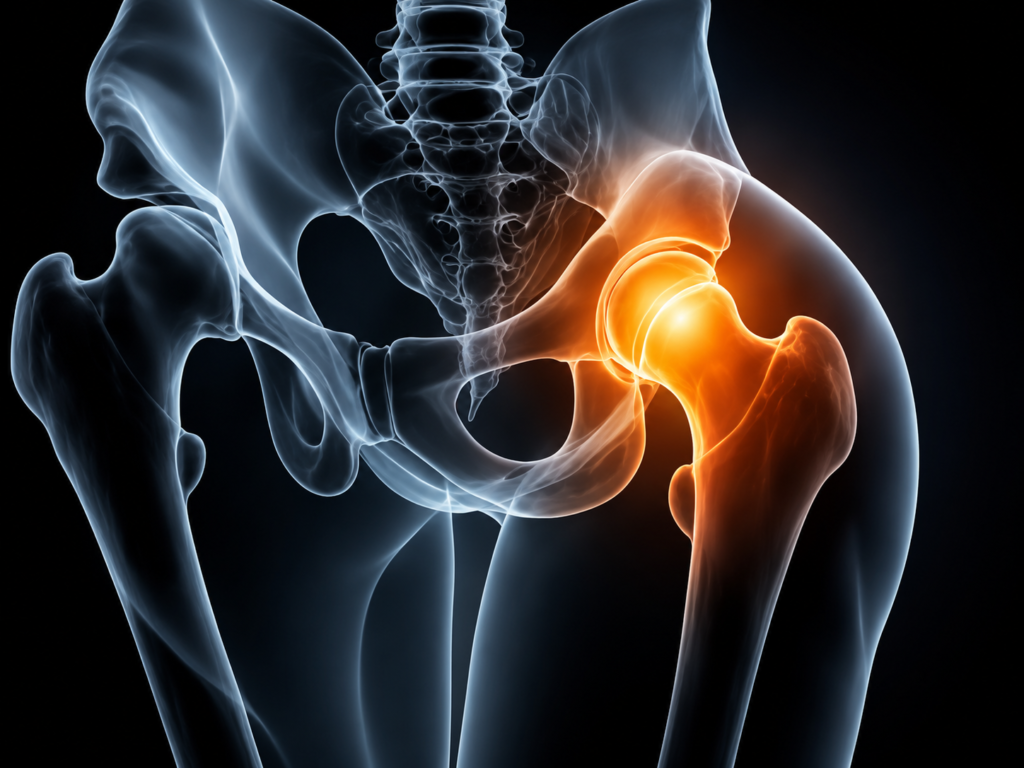
Comprehensive care for hip conditions including arthritis, impingement, fractures and replacements.

Treatment for knee pain, arthritis, ligament injuries and complex knee reconstruction.
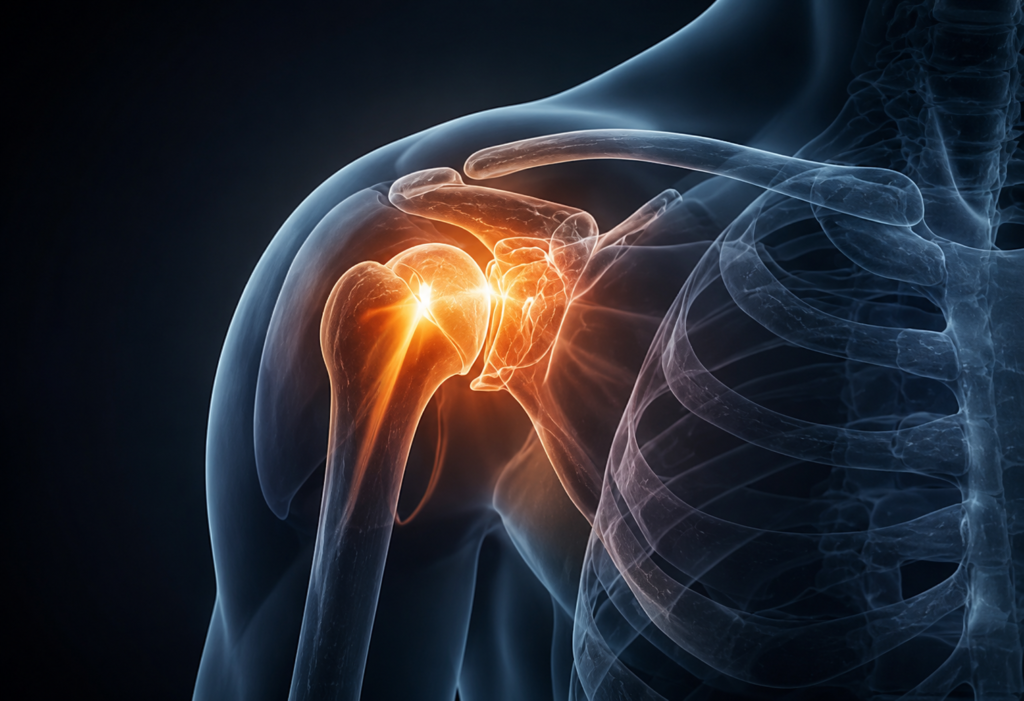
Management of shoulder pain, rotator cuff tears, instability and sports injuries.
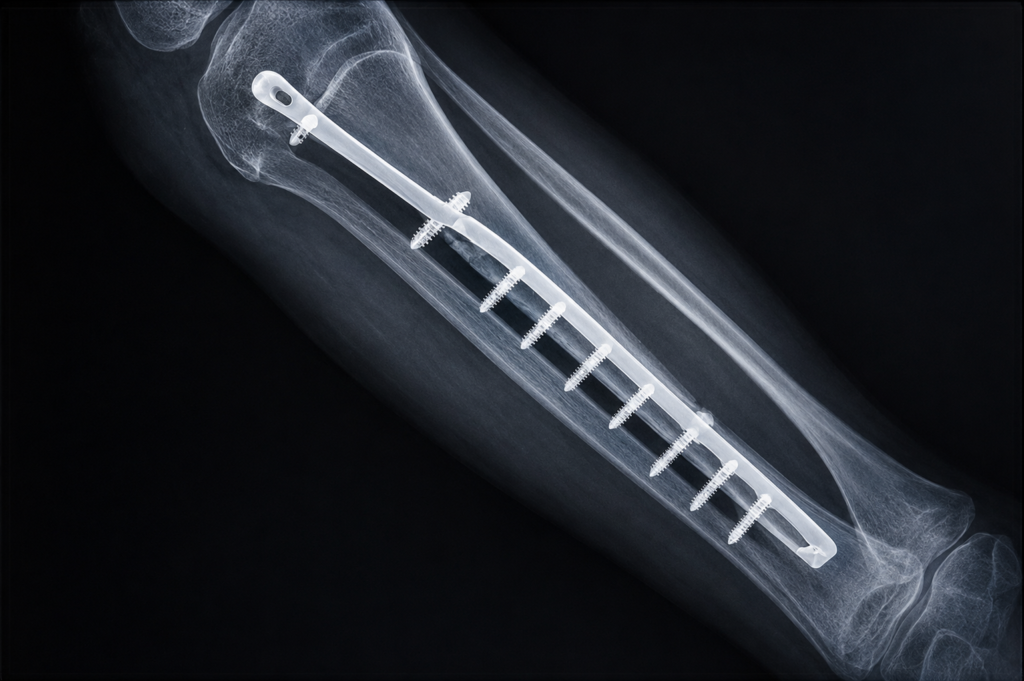
Expert care for fractures and acute injuries to help you recover and regain function.